
The molar implant process in Idaho Falls, ID replaces a missing back tooth with a strong, long-lasting artificial root and crown. Molar implants matter because they restore chewing power, protect nearby teeth, and help stop bone loss that follows tooth loss. This short guide explains what a molar implant is, the step-by-step molar implant process in Idaho Falls, ID, who is a good candidate, risks, costs, and how to get started.
What is a molar implant?
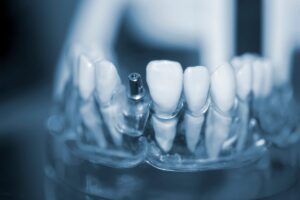
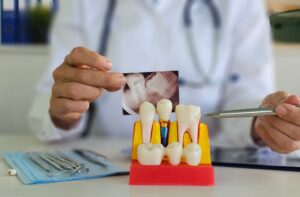
A molar implant is a titanium post placed into the jaw to act as a tooth root, topped later with an abutment and crown. It replaces a missing molar so you can chew normally. Benefits include restored chewing function, prevention of jawbone shrinkage, and a durable solution that can last many years when cared for. The molar implant process helps preserve surrounding teeth and bite alignment.
Step-by-step: The Molar Implant Process in Idaho Falls, ID
The typical timeline runs from the initial consult through healing to a final crown — this is the molar implant process in Idaho Falls, ID.
Initial consultation and 3D imaging
Your dentist will review your health history, examine your mouth, and take a Cone Beam 3D X-ray. The 3D scan shows bone height and nerve positions so the implant can be planned precisely. This step confirms whether an implant is a safe, effective option for your molar.
Tooth extraction and preparatory work (if needed)
If the damaged tooth is still present, it will be extracted. Some patients need a bone graft or socket preservation when bone is thin. These procedures build a stronger foundation and improve long-term success for the implant.
Implant placement
Placing the titanium implant is a minor surgical procedure done with local anesthesia or IV sedation if preferred. The implant is positioned into the jawbone at the planned angle. Many clinics use guided techniques for accuracy and safety.
Healing and osseointegration
Over about 3–6 months the bone grows tightly around the implant in a process called osseointegration. This creates a stable base for the final tooth. Temporary restorations can protect the site and allow partial chewing during healing.
Abutment and final crown
Once healed, an abutment is attached to the implant and a custom crown is made to match your bite and neighboring teeth. The final crown restores full function and a natural appearance for the molar.
Who is a good candidate for the molar implant process in Idaho Falls, ID?
Good candidates are in overall good health, have healthy gums, and enough jawbone to support an implant or are willing to have a graft. Non-smokers and those committed to daily oral hygiene do best. Alternatives include bridges or partial dentures when implants aren’t recommended.
Risks, recovery, and what to expect
Common short-term effects include swelling, mild pain, and bruising. Rare complications can include infection or implant failure. Follow post-op instructions: keep the area clean, avoid hard foods, and take prescribed medications. Regular check-ups help ensure success.
Cost, insurance, and financing for a molar implant process in Idaho Falls, ID
Cost, insurance, and financing for a molar implant process in Idaho Falls, ID. Insurance may cover part of the restoration but often not the full implant. Many practices offer payment plans or financing to make the molar implant process in Idaho Falls, ID more affordable.
Why choose Bird Dental Studio for your molar implant process in Idaho Falls, ID
Why choose Bird Dental Studio for your molar implant process in Idaho Falls, ID. Led by Dr. Jayson Bird, uses Cone Beam 3D imaging, Yomi robotic guidance, and CEREC same-day crowns for precise planning and efficient care. Their team focuses on safety, comfort, and outcomes, including implant expertise and options for IV sedation when needed.
Next steps / Call to action
To discuss the molar implant process in Idaho Falls, ID and get a personalized plan, schedule a consultation at Bird Dental Studio. The team will review your options and create a clear treatment plan tailored to your needs.